
Get Water Hydrant Replacement
Water hydrant replacement services help property owners fix or upgrade fire safety systems by replacing or installing new fire hydrants through experienced local contractors.
Property owners in the area considering water hydrant replacement often seek reliable solutions to ensure proper water access and system functionality. Whether upgrading aging infrastructure, addressing safety concerns, or preparing for future needs, exploring local contractor options can help identify practical approaches tailored to specific property requirements. Keeping informed about available services allows for better planning and decision-making when it comes to essential water system updates.
By comparing services offered by nearby contractors, property owners can find experienced providers capable of handling water hydrant replacement projects efficiently. Understanding the scope of work and available options can support informed choices, helping to maintain property safety and operational efficiency. Continue exploring to discover local service providers equipped to assist with your water infrastructure needs.
- Water hydrant replacement - needed when existing hydrants are outdated or no longer functioning properly.
- Hydrant head replacement - required if the hydrant head is damaged or leaking.
- Hydrant valve replacement - necessary when valves are corroded or fail to operate correctly.
- Hydrant pipe replacement - needed if underground piping is corroded or has suffered damage.
- Complete hydrant system upgrade - appropriate when a full system overhaul is required to meet current standards.
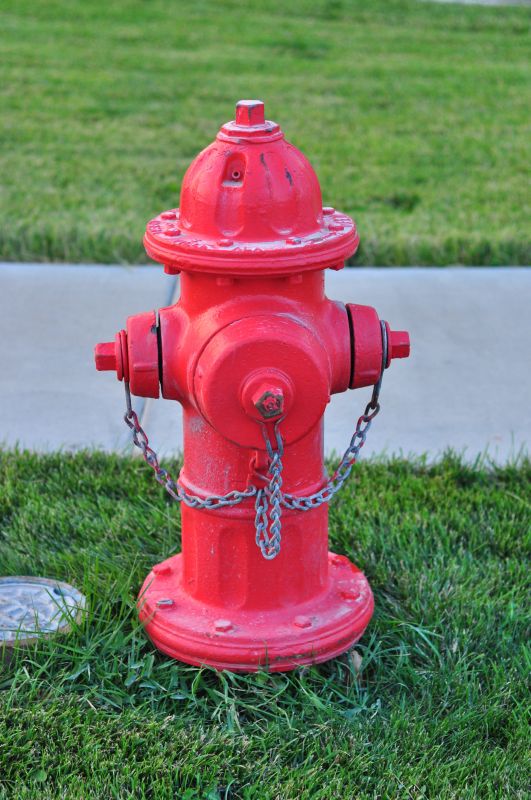
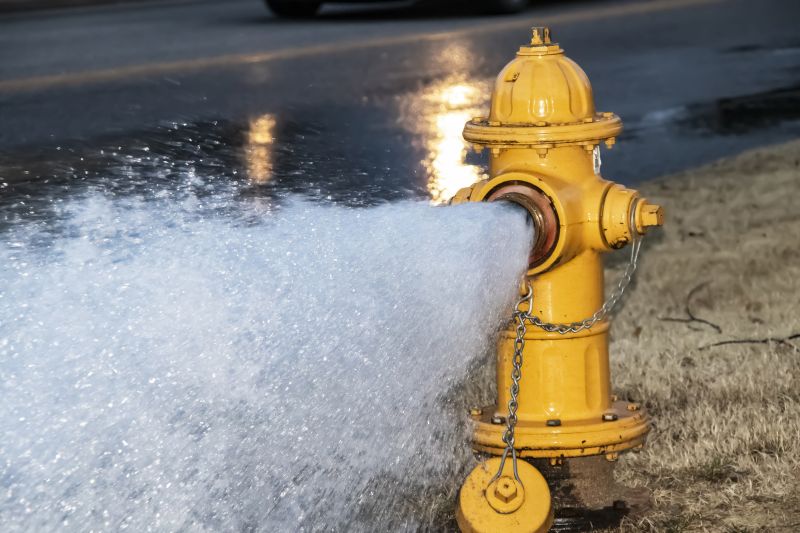
Water hydrant replacement services involve removing outdated, damaged, or malfunctioning fire hydrants and installing new units that meet current standards. This process typically includes assessing the existing hydrant’s condition, excavating around the fire hydrant, disconnecting and removing the old equipment, and then installing a new hydrant that ensures proper operation and accessibility. Experienced service providers handle all aspects of the replacement to ensure the system functions reliably, helping property owners maintain safety and compliance with local regulations.
Replacing a fire hydrant can resolve a variety of problems, such as corrosion, leaks, or mechanical failures that compromise water flow and pressure. Over time, hydrants may become damaged from weather, vehicle impacts, or general wear and tear, making them unreliable during emergencies. Upgrading or replacing hydrants also helps prevent costly repairs or failures that could hinder firefighting efforts. Regular replacement ensures that the fire protection system remains fully operational and capable of serving the needs of the property and the surrounding community.
This service is commonly used for commercial properties, municipal infrastructure, and residential neighborhoods where fire safety is a priority. Property owners who notice signs of hydrant deterioration, such as rust, leaks, or reduced water pressure, may need to consider hydrant replacement. Additionally, properties undergoing infrastructure upgrades or located in areas with aging water systems often work with local contractors to replace outdated hydrants. Ensuring the fire protection system is up-to-date can be a critical step in maintaining safety and compliance for any property.
Property types that typically use water hydrant replacement services include industrial complexes, apartment communities, public parks, and fire departments. Any location with an existing fire hydrant system that shows signs of aging or damage can benefit from professional replacement services. Regular updates to the fire protection infrastructure help ensure that fire departments can respond effectively in emergencies, providing peace of mind for property owners and residents alike. Local service providers can evaluate the condition of hydrants and recommend appropriate solutions tailored to each property’s needs.
The overview below groups typical Water Hydrant Replacement projects into broad ranges so you can see how smaller, mid-sized, and larger jobs often compare in your area.
In many markets, a large share of routine jobs stays in the lower and middle ranges, while only a smaller percentage of projects moves into the highest bands when the work is more complex or site conditions are harder than average.
Smaller Repairs - Minor water hydrant repairs typically cost between $250 and $600. Many routine fixes fall within this range, depending on the extent of the work needed. Fewer projects reach the higher end of this spectrum.
Partial Replacement - Replacing parts of a water hydrant usually ranges from $600 to $1,200. This cost covers mid-sized projects where only certain components are replaced or upgraded. Larger, more complex jobs can push beyond this range.
Full Hydrant Replacement - Installing a new water hydrant can cost from $1,200 to $3,000 or more. Many local contractors handle standard installations within this band, while more elaborate setups may cost more.
Large or Complex Projects - Extensive hydrant replacements or upgrades involving significant excavation can reach $5,000 or higher. These projects are less common and typically involve additional site work or specialized equipment.
Actual totals will depend on details like access to the work area, the scope of the project, and the materials selected, so use these as general starting points rather than exact figures.
Fire Sprinkler System Installation - Installing fire sprinkler systems involves planning and working with underground piping similar to water hydrant replacement projects.
Underground Water Line Repair - Repairing or replacing underground water lines requires excavation, planning, and the use of specialized tools akin to hydrant replacement work.
Municipal Water Main Replacement - Replacing or upgrading municipal water mains involves large-scale planning and excavation skills comparable to hydrant system upgrades.
Storm Drainage System Installation - Installing storm drainage involves underground piping and site planning similar to water hydrant replacement tasks.
Backflow Prevention Device Installation - Installing backflow preventers requires understanding of water systems and precise installation methods like hydrant work.
Irrigation System Installation - Setting up extensive irrigation networks involves underground piping and planning similar to water hydrant replacement projects.
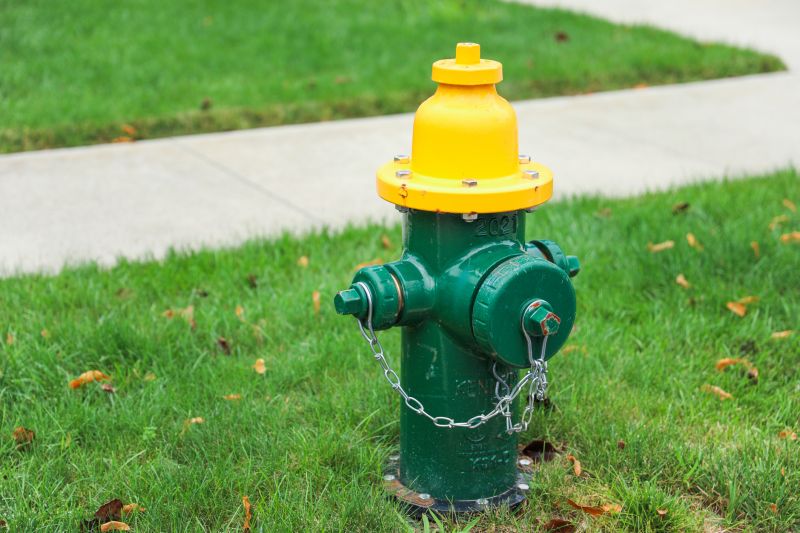
When comparing service providers for water hydrant replacement, it’s important to consider their experience with similar projects. Homeowners should look for local contractors who have a proven track record of handling water hydrant installations or replacements in environments comparable to their own. An experienced professional will be familiar with the common challenges and best practices associated with this type of work, helping to ensure the project is completed efficiently and correctly.
Clear, written expectations are essential for a smooth project process. Homeowners should seek out local pros who can provide detailed descriptions of the scope of work, materials to be used, and any necessary steps involved in the replacement. Having this information in writing helps establish a mutual understanding from the outset and minimizes the risk of misunderstandings or surprises during the project.
Reputable references and good communication are key indicators of a reliable service provider. Homeowners are encouraged to request references from previous clients or review online testimonials to gauge the quality of past work. Additionally, choosing local contractors who demonstrate prompt, transparent, and responsive communication can make the process more straightforward and less stressful. It’s important to remember that this site serves as a resource to introduce homeowners to local options, not to perform the work itself.
Property owners use Water Hydrant Replacement services for practical projects around their homes and businesses. This guide focuses on everyday jobs and straightforward project options.
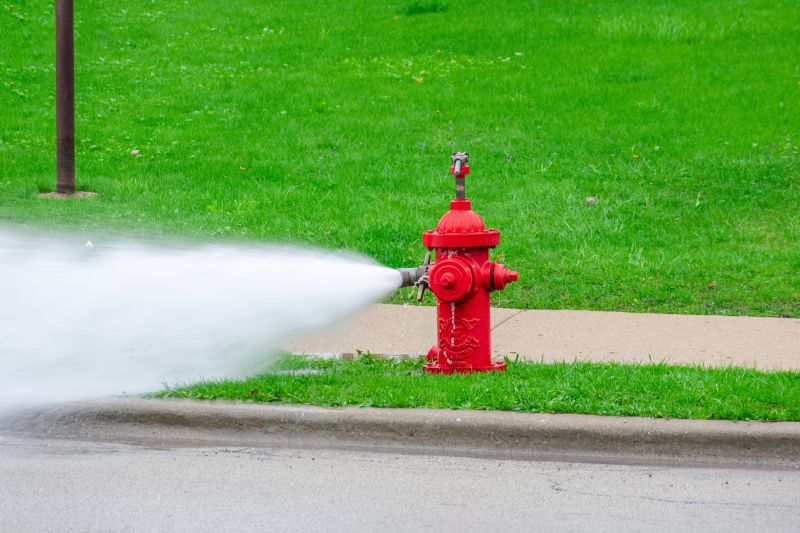
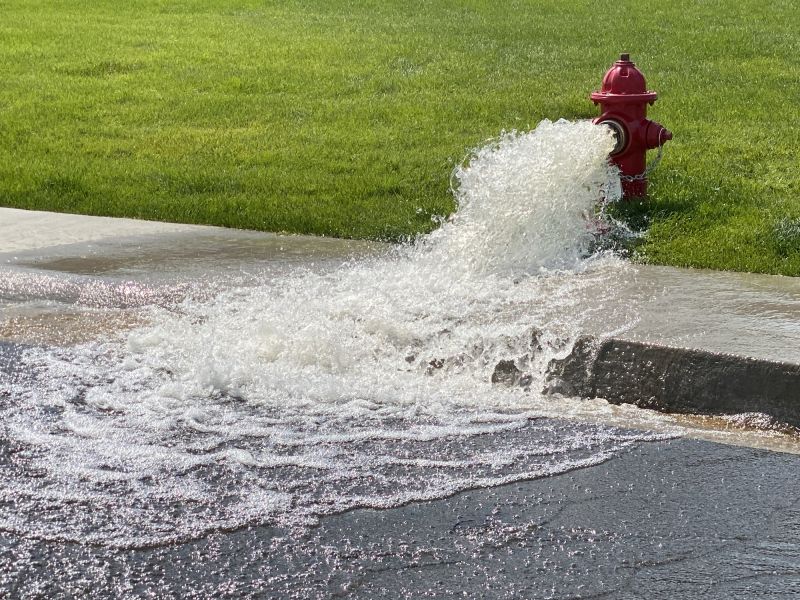
Water hydrant replacement services are often needed when fire safety equipment becomes outdated, damaged, or no longer meets local standards. Property owners may find themselves in situations where hydrants are corroded, leaks develop, or the parts are simply worn out over time. In such cases, local contractors specializing in water infrastructure can provide the necessary replacements to ensure the system remains reliable and compliant with safety regulations.
Additionally, property renovations or upgrades can prompt the need for hydrant replacement to match new landscaping or building layouts. Emergency repairs may also be required if a hydrant is damaged by accidents or natural wear. Local service providers are equipped to handle these projects efficiently, helping property owners maintain their fire protection systems and avoid potential safety issues.
Why might I need to replace a water hydrant? Water hydrant replacement may be necessary if the hydrant is damaged, corroded, or no longer functions properly, affecting water flow and safety.
How can local contractors assist with water hydrant replacement? Local service providers can evaluate the condition of the hydrant, recommend suitable replacements, and perform the installation to ensure proper operation.
What signs indicate a water hydrant needs replacement? Signs include persistent leaks, rust or corrosion, difficulty operating the hydrant, or reduced water pressure during use.
Are water hydrant replacements typically disruptive to property? Professional contractors aim to minimize disruption during replacement, but some minor excavation or adjustments to surrounding areas may be involved.
How do I find local pros who handle water hydrant replacement? This website can help connect with nearby contractors experienced in water hydrant services to handle your replacement needs.
Ensure Water Supply Reliability - Replacing aging or damaged fire hydrants helps maintain consistent water flow during emergencies.
Upgrade for Better Performance - Modern hydrant replacements can improve flow rates and reduce maintenance needs over time.
Enhance Property Safety - Installing new hydrants ensures compliance with safety standards and readiness for fire protection.
Prepare for Emergency Situations - Having functional, up-to-date hydrants supports quick response and effective firefighting efforts.
If you are thinking about Water Hydrant Replacement for a property, this guide is meant to help you understand the work, the typical project types, and how different options might fit your plans.
When you are ready, you can use the quote form on this page to share a few details about your project. From there, local pros can review the basics and respond with options that match what you have in mind.